

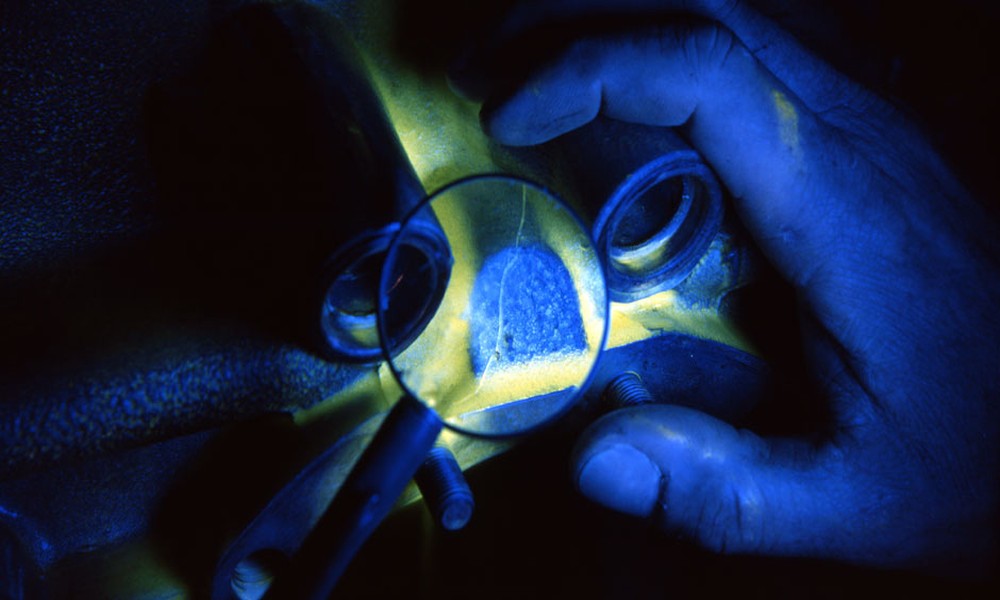
Dye penetrant inspection, which is also known as LPT or liquid penetrant testing is one of the most popular non-destructive testing methods regarding industrial maintenance and manufacturing. It is specifically used to detect surface defects such as porosity, cracks, seams, laps and leaks in materials that you cannot notice in other way.
Since the process is affordable and simple, and highly sensitive to surface flaws, dye penetration it is mostly used in industries such as automotive, aerospace, power generation, manufacturing, oil and gas as well as construction. As soon as you check here, you can learn more about inspections.
Although the technique may appear straightforward, you should understand a few important facts on how dye penetrant inspection function, where you can use it and why it is important role in safety, control, which is important to remember.
Dye Penetrant Inspection is a Non-Destructive Testing Method
One of the most important things to understand is that dye penetrant inspection is specifically known for its non-destructive behavior and inspection method. This means materials and components can be inspected without damaging, cutting and altering an item such as turbine throughout the process.
Compared with destructive methods that require modifying or breaking a sample, dye penetrant testing can help you evaluate parts while keeping them usable afterward. The process is especially valuable for inspecting safety-critical and expensive component where damage is unacceptable.
Perfect for Surface Defects
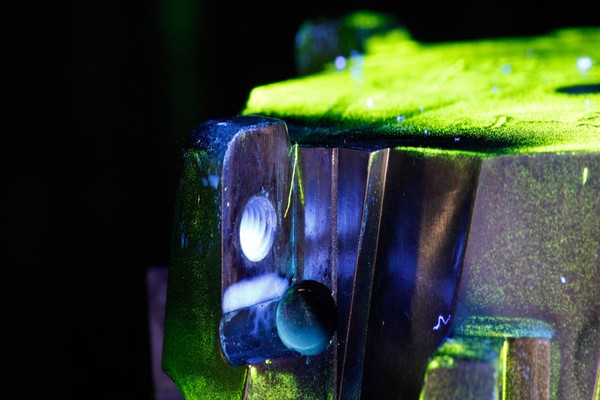
The most important fact you should remember is that dye penetrant is specifically created to reveal flaws that are transparent to the surface. The process works by applying a liquid penetrant to the material’s surface. The dye flows into tiny cracks through action, which makes the process visible.
After excess penetrant is removed, a developer is applied to draw the penetrant back to the surface, making the defects visible under specific lighting conditions. However, you should remember that dye penetrant testing could not detect defects that are hidden beneath surface. Internal flaws that do not connect to the exterior will remain invisible.
If you wish to use it for subsurface defects, we recommend you to use other testing methods such as radiographic inspection and ultrasonic testing, which is important to remember.
Surface Preparation is Crucial
It is important to remember that the accuracy of dye penetrant inspection depends on proper preparation. Grease, dirt, paint, rust, oil or contaminants can directly block penetrant from defects, which leads to inaccurate results. That is why you should learn more about dye penetrant inspection, which will provide you with reliable information.
Before the process starts, the surface must be thoroughly dried and cleaned. Even small amounts of contamination can interfere with the process. That is why you should conduct proper cleaning so penetrant can flow freely into your surface and detect potential flaws with ease.
Different Types of Penetrants Used
We can differentiate a few types of dye penetrants used depending on the application and inspection needs.
- Visible Dye – These penetrants are mostly bright red and you can see them under white light. They are most commonly used in specific industrial inspections.
- Fluorescent Penetrants – As the name suggests, they glow only under UV or ultraviolet light, meaning they are more sensitive than visible dye penetrants. They are often used in high-precision and aerospace industries, where detecting extremely small flaws is essential.
You can also choose solvent, water washable and post emulsifiable penetrants, which is vital to remember. We recommend you to find professional industrial inspection company to provide you with the best option for your specific needs.
Understand the Process
Dye penetrant inspection follows a carefully controlled sequence of steps that will help you ensure reliable results. The process includes application of penetrant, surface cleaning; penetrant dwell time, application of developer, removal of excess penetrant, post cleaning and inspection under proper lights.
Each step is highly important. If you decide to skip or rush the part of the process, you will reduce the accuracy and increase the chances of missing the problems.
Timing is Crucial
You should understand that timing is critical factor for dye penetrating screening. We are talking about the amount of time the penetrant remains on the surface before you decide to remove it. If the penetrant is removed too quickly, it may not enter small defects. If it remains too long, excess background, staining may happen, meaning the interpretation may be more challenging.
The same way, developer dwell time should be controlled by following strict understanding. That way, you can ensure the indications get reliable. Experienced inspectors should follow specifications and standards when determining every single step. Enter this site: https://infotechnology.fhwa.dot.gov/dye-penetrant-testing-pt/ to understand dye testing.
Proper Lighting
You should remember that lighting is crucial in successful inspection. Visible dye inspections require sufficient white light intensity. Fluorescent penetrant inspections require dark environments and UV lighting to reveal everything. Lousy lighting conditions may lead to misinterpreting results and dealing with small flaws.
